10 Generative Engine Optimization Strategies You Need to Know
Imagine a world where your target audience never scrolls past the first page of Google. In fact, they do not even look at standard blue search links anymore. This shift is already happening, making it absolutely necessary to adopt progressive generative engine optimization strategies to secure your brand’s future visibility.
Search engines are evolving at an incredible pace. McKinsey projects that more than 40% of all searches will happen through generative AI this year. Furthermore, Gartner expects traditional organic search traffic to fall by half by the year 2028.
Because of this massive shift, brands must quickly adapt to survive. Instead of trying to win a spot on a page with ten links, you must now aim to be the chosen source that an AI engine references in its conversational answers. It is a transition that brings higher stakes, but it also offers a much bigger payoff.
Table of Contents
- Key Takeaways
- Pillar 1: Optimizing Content Structure and Bots for AI Engines
- Pillar 2: Authority-Building and Entity-Based GEO Best Practices
- Pillar 3: Formatting for Recency and Multi-Channel AI Retrieval
- Pillar 4: Running a Modern GEO Marketing Strategy and Measuring Citations
- Frequently Asked Questions (FAQ)
- Conclusion
Key Takeaways
Implementing effective generative engine optimization strategies allows your business to stay visible in an era where AI models synthesize answers directly for users. This approach ensures your content is selected as a key source by AI systems.
- Entity Focus: AI models think in terms of real-world entities and brand authority, not just simple keyword phrases.
- Structured Formatting: Creating clean answer blocks and utilizing structured schema data helps AI bots pull and quote your content easily.
- High Visibility Gain: Citing credible data, statistics, and expert quotes can boost your visibility in generative engines by 30% to 40%.
- Proactive Monitoring: Success requires you to measure AI citation frequency as a primary performance metric alongside classic search positions.

Pillar 1: Optimizing Content Structure and Bots for AI Engines
To build a strong foundation for your brand, you must structure your website so that automated systems can read and digest your content. This structural alignment is one of the most practical generative engine optimization strategies you can deploy right now to ensure AI engines crawl your site accurately. Let us look at how you can optimize your format and botanical access.
1. Write in “Answer Blocks,” Not Just Articles
AI engines extract short, self-contained passages to build their responses because they do not quote your entire article. You should structure your key pages around tight, standalone answer blocks. For instance, write a clear question as a subheading, follow it with a direct 2-to-4 sentence answer, and then provide supporting details below.
For every core topic on your site, ask yourself a simple question: if an AI could only pull one paragraph from this page, would it make sense on its own? If the answer is no, you should tighten and refine your content immediately.
Suggested Visual: The Anatomy of a Perfect AI Answer Block
- Optimal Placement: Right after the “Write in Answer Blocks” subsection.
- Visual Concept: A clean, minimalist diagram showing a webpage layout divided into three clear layers: a bold question header, a highlighted 3-sentence “Direct Answer Block” optimized for AI extraction, and a “Supporting Evidence” section with bullet points.
- AI Generation Prompt: A clean minimalist vector graphic showing a stylized browser window. The window highlights a structured webpage layout with three clearly labeled components: “H2 Question”, “Highlighted AI-Ready Answer Paragraph”, and “Supporting Data Bullets”. Soft blue and white high-tech aesthetic, modern UI design, no text.
2. Implement Structured Data (Schema/JSON-LD) Everywhere
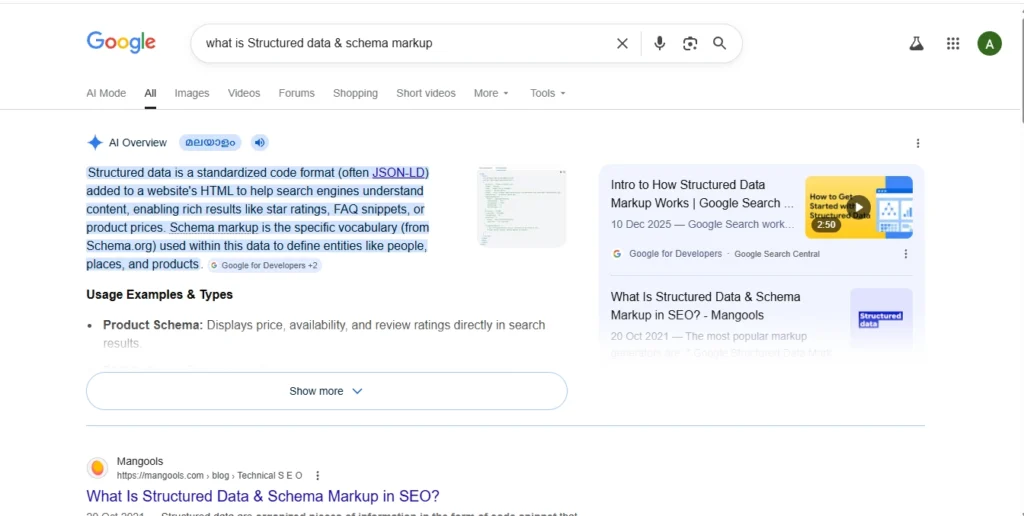
Schema markup is how you tell AI crawlers exactly what a page is about without any confusion. Using schema is not an optional polish; it is one of the clearest signals AI systems use to understand and trust your pages. You should prioritize Article, FAQPage, Organization, Person, and Review schema across your most important pages.
3. Confirm AI Crawlers Can Actually Reach You
This sounds simple, but it is one of the most common mistakes in modern search optimization. Many websites unintentionally block AI bots in their robots.txt files. In addition, default configurations in certain security networks may block AI crawlers automatically. You must check your server logs for user agents like ChatGPT-User, PerplexityBot, and ClaudeBot to ensure they can index your content.
Pillar 2: Authority-Building and Entity-Based GEO Best Practices
Building brand authority is no longer just about getting a high volume of backlinks from random websites. In 2026, the most successful generative engine optimization strategies focus on establishing your brand as a trusted entity across the web. This requires you to focus on how AI models process relationships between concepts, brands, and people, which is the core of establishing geo best practices.
4. Optimize for Entities, Not Just Keywords
Traditional optimization focused on exact keyword strings. However, AI models reason in entities, which represent the combination of who you are, what you do, and where you operate. Instead of stuffing your pages with keywords, describe your brand the way you would introduce yourself to a client. Use your brand name, location, unique specialties, and proof of expertise naturally throughout your copy.
5. Back Every Claim With Data, Citations, and Expert Quotes
Reliable academic studies from leading research institutions show that backing up your content has massive benefits. For example, a Princeton and Georgia Tech study found that adding statistics, citing sources, and including expert quotes can lift AI visibility by roughly 30% to 40% compared to basic content. AI engines prefer content that reads as highly credible and well-sourced.
Consequently, if you have real customer results, original survey data, or a unique framework, you must publish it. It is the single highest-value asset you can create for your brand.
6. Build Your Presence Beyond Your Own Website
AI systems learn about your brand from the entire web, including forums, social platforms, and media sites. Unlinked brand mentions carry real weight in how AI models judge your authority. Therefore, you should treat digital PR, guest contributions, and community participation as essential infrastructure rather than side projects.
Pillar 3: Formatting for Recency and Multi-Channel AI Retrieval
Keeping your content fresh and adaptable across multiple media formats is essential for maintaining high citation rates. Advanced generative engine optimization strategies prioritize constant content updates and multi-format assets to keep AI crawlers returning to your site. This active maintenance ensures your brand stays relevant in dynamic conversational search results.
7. Keep Cornerstone Content Fresh on a Real Schedule
AI engines show a strong bias toward recent information. Research from top McKinsey digital marketing insights and SEO firms indicates that AI citation rates for a page drop sharply after three months without an update. You should set a clear quarterly schedule to revisit your highest-value pages. Update your statistics, add fresh examples, and change the “last updated” date on the page.
8. Design Content Around Real Questions, Not Just Topics
AI engines break a single user question into several smaller sub-questions to search for answers. A page built to answer one broad topic misses most of these specific sub-questions. To capture this traffic, you should use tools like AlsoAsked and real community threads to find the exact questions people ask. Then, you can design your subheadings and FAQ blocks directly around those queries.
9. Extend Optimization to Video, Audio, and Visual Content
Generative AI is moving quickly beyond simple text answers. It increasingly draws information from video transcripts, podcast audio, and detailed images. To optimize these assets, you must add structured transcripts with timestamps to your videos, write highly descriptive alt text, and label all charts clearly so that AI systems can read them. For more details on technical standards, you can refer to the Schema.org metadata guidelines.
Pillar 4: Running a Modern GEO Marketing Strategy and Measuring Citations
Shifting your marketing team’s metrics from traditional organic rankings to AI citations requires a completely new playbook. Aligning your workflow with actionable generative engine optimization strategies ensures that your brand captures a significant “share of voice” in generative answers. Creating a dedicated geo marketing strategy will help you track performance accurately.
10. Measure AI Citation Frequency, Not Just Rankings
Most marketing teams track keyword positions on Google but have no visibility into how often AI models cite their pages. You must close this gap by running regular test queries across Gemini, ChatGPT, Perplexity, and Copilot. Track whether your brand appears in the answers, note the sources cited, and make “share of AI voice” a key performance indicator for your team.
To help you transition smoothly, let us look at how traditional metrics compare to modern AI-driven indicators:
Traditional SEO Metric | Modern GEO Metric | Business Impact / Goal |
Organic Rank (1-10) | AI Citation Share of Voice | Becoming the primary recommended solution |
Keyword Density | Entity Association Strength | Establishing brand authority for a specific niche |
Page Views & Sessions | Conversational Referral Traffic | Driving high-intent buyers from AI chats to your site |
Backlink Quantity | Unlinked Brand Mentions & Citations | Building web-wide trust across directories and forums |
Frequently Asked Questions (FAQ)
Finding clear answers to your questions about the future of search can help you stay ahead of the competition. Understanding how to execute modern generative engine optimization strategies is the key to surviving the transition from standard search pages to conversational AI interfaces. Here are answers to the most common questions about this transformation.
What is Generative Engine Optimization (GEO) in marketing?
Generative Engine Optimization (GEO) is the practice of optimizing your website and overall digital footprint so that generative AI engines find, trust, and cite your brand. Instead of optimizing only for search engine algorithms, you optimize for large language models that synthesize information for users.
How does GEO differ from traditional SEO?
While traditional SEO focuses on earning a spot among ten blue links on a search page, GEO focuses on being selected as one of the few sources an AI engine cites in its written response. Traditional SEO relies heavily on keyword matching and page authority, whereas GEO prioritizes entity association, clear answer structures, and verifiable data sources.
Does GEO replace traditional SEO in 2026?
No, GEO does not replace traditional SEO in 2026; rather, it sits on top of it. You still need technical SEO and high-quality backlinks to establish your website’s baseline authority, but you must add GEO strategies to ensure AI engines can easily extract and quote your content.
How do AI engines like Gemini and ChatGPT decide which websites to cite?
AI engines decide which websites to cite by evaluating content structure, authority, and credibility. They prefer pages that use structured schema data, offer direct answers to specific user questions, and back up claims with original statistics or expert quotes.
Why should brands invest in GEO marketing?
Brands should invest in GEO marketing because user behavior is shifting rapidly toward AI-driven conversational search. With traditional search traffic projected to decline, securing citations in AI responses is the only way to maintain visibility and reach high-intent buyers who use generative engines.
Conclusion
Securing your digital footprint in an AI-dominated market requires immediate, intentional action. By integrating reliable generative engine optimization strategies into your daily marketing routine, you prepare your brand to thrive in a landscape where conversational search is the norm. You should start by structuring your content into clear answer blocks and validating your crawler accessibility today.
As the digital landscape evolves, the brands that adapt early will gain a massive competitive advantage. Keep refining your approach, tracking your citations, and prioritizing original data. The future of search belongs to those who make their content easy for AI to understand, trust, and recommend.
Enjoyed this article? Visit our homepage at helloadithyan.com to explore more expert insights, practical guides, and the latest trends in SEO, AI, and digital marketing.